
Observership Program in Neuropelvic Surgery
Transform your perspective on pelvic floor dysfunction, pelvic pain, and nerve-related conditions by witnessing Dr. Shakiba’s cutting-edge robotic neuropelvic procedures. Immerse yourself in advanced pelvic nerve management, both in the operating room and in clinical practice.
Leader in Robotic Pudendal Surgery
Restoring Pelvic Freedom, One Nerve at a Time
Pelvic Freedom, One Nerve at a Time
When it comes to pelvic nerve care, experience, knowledge, precision, and technology all matter—to precisely release nerve inflammation and restore your quality of life. You’ll find it all at Neuro Pelvic Surgery.
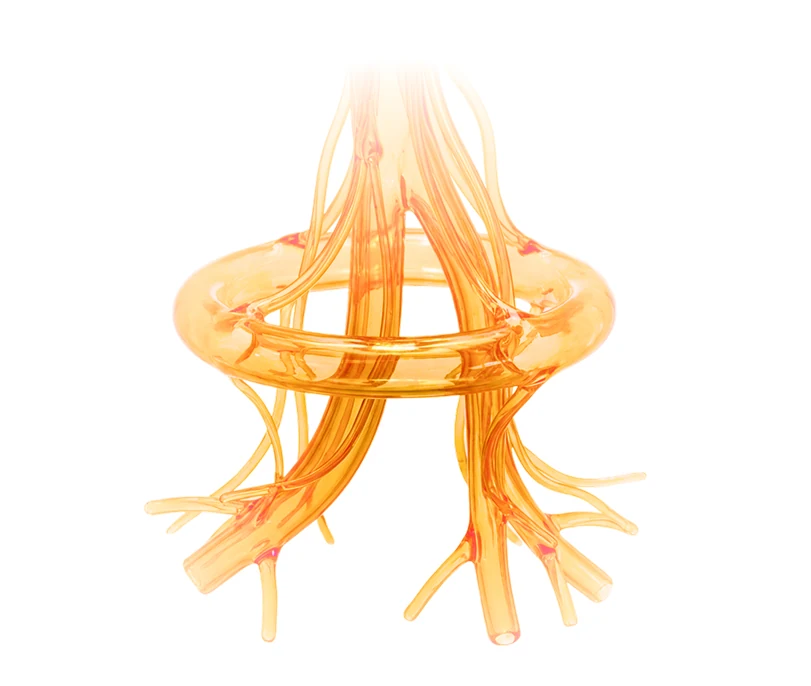
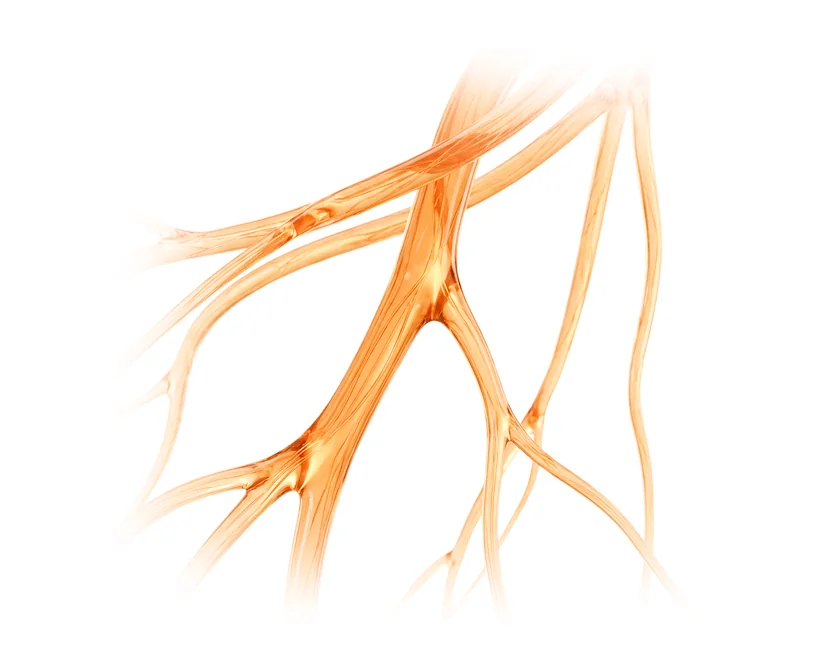

Restoring Pelvic Freedom, One Nerve at a Time
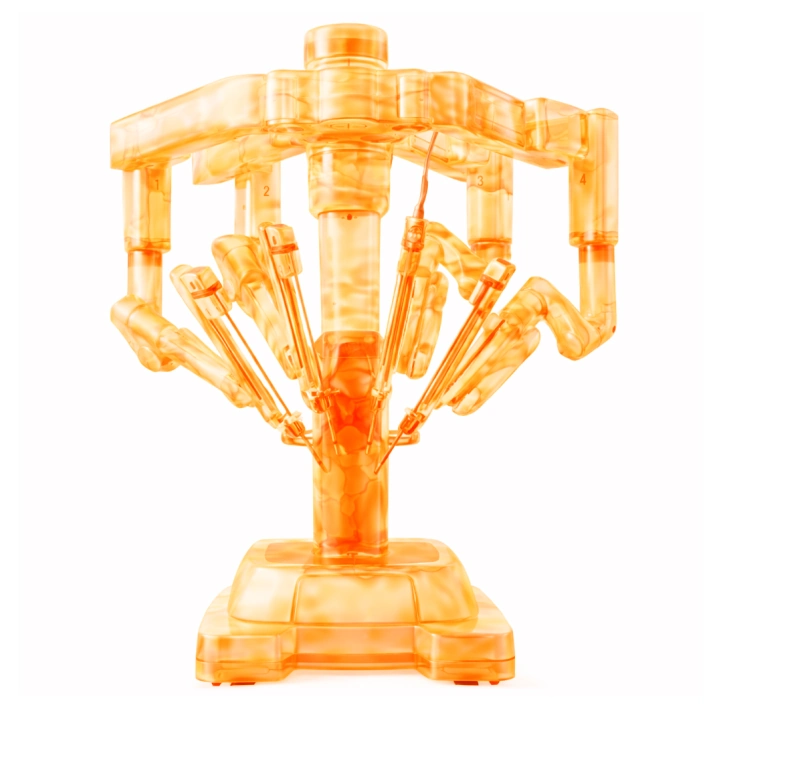
Micron-level accuracy for complex pelvic anatomy. High-definition, nerve-sparing robotic platforms enable safer surgery, reduced trauma, and superior outcomes.
Micron-level accuracy for complex pelvic anatomy. High-definition, nerve-sparing robotic platforms enable safer surgery, reduced trauma, and superior outcomes.
Micron-level accuracy for complex pelvic anatomy. High-definition, nerve-sparing robotic platforms enable safer surgery, reduced trauma, and superior outcomes.
Radiofrequency Treatment: A brief explanation of how it can help calm hyperexcited nerves after surgery.
Medications: Mention common medications (under doctor guidance) for nerve pain or inflammation control during recovery.
Recovery Plan: Outline how these treatments integrate into a personalized recovery path.
Medical Pathways
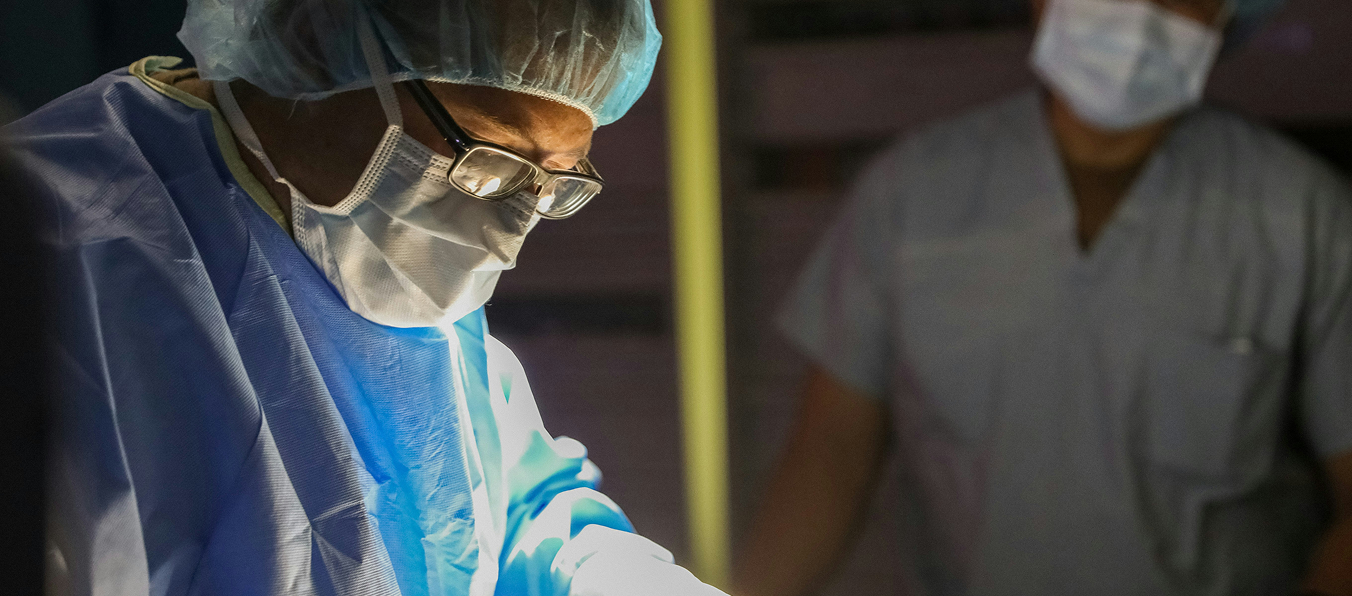
This program is intended for physicians who are preparing for advanced training in neuropelvic surgery and complex pelvic nerve pathology.

The WPS Observership Program is offered once every 1–2 months, depending on surgical scheduling and case availability.
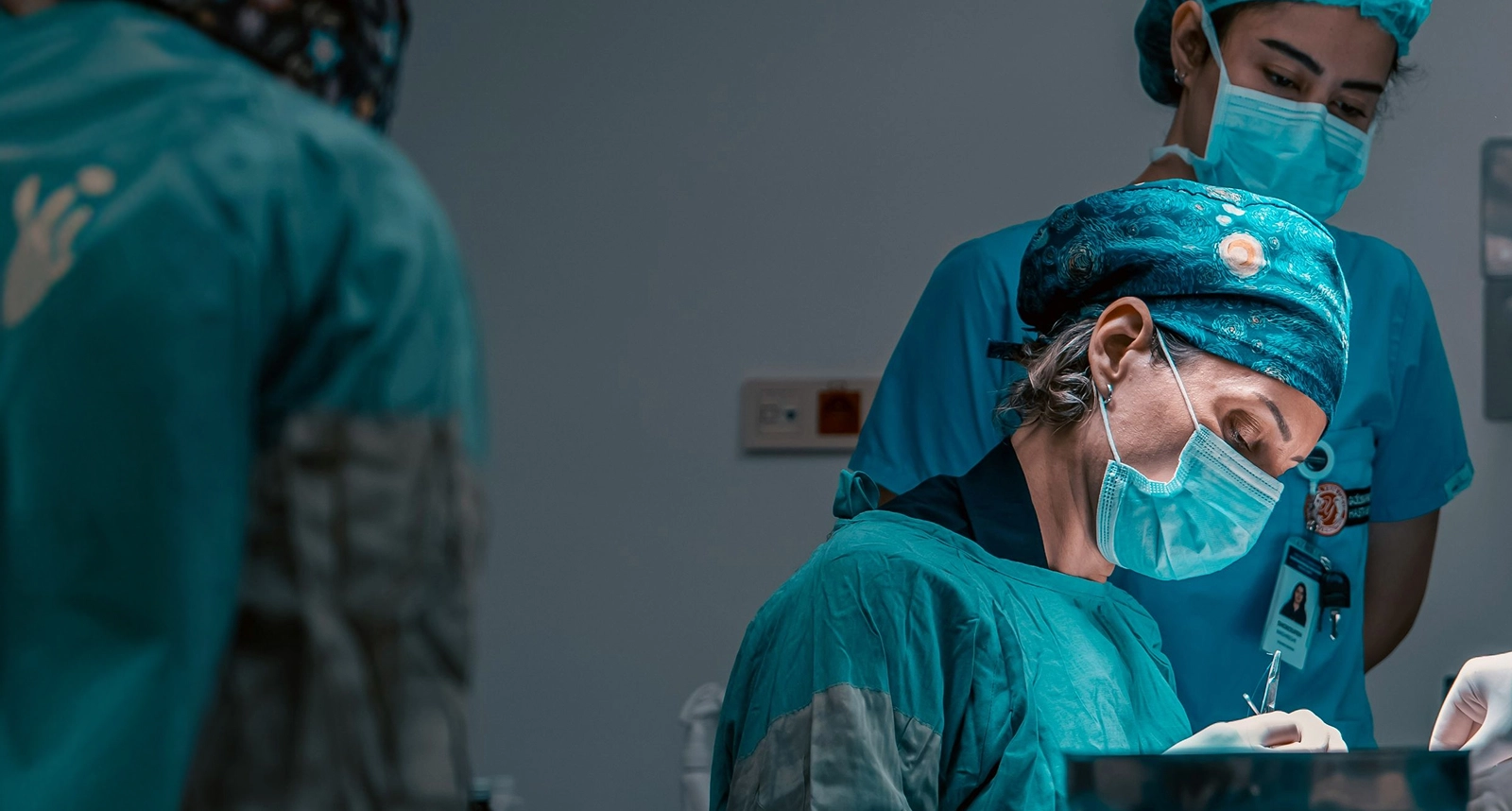
Why neuro pelvic surgery
is important?
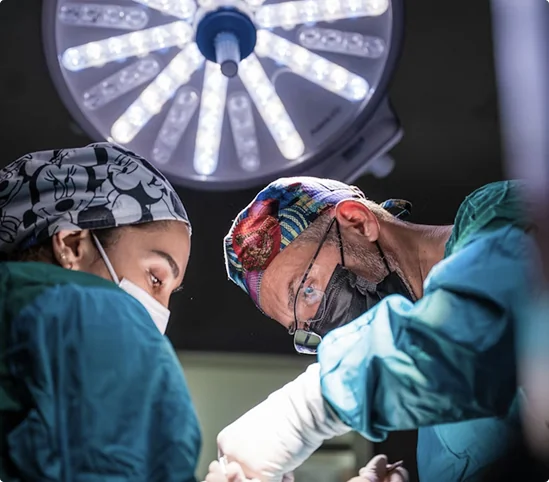
Lower back pain, buttock pain, and radiating discomfort into the lower extremities are widespread conditions, particularly among women. While advancements in spinal medicine—such as treatments for herniated discs, spinal stenosis, and other structural issues—have come a long way, there remains a significant gap in addressing nerve-related pain that extends beyond the spinal column.
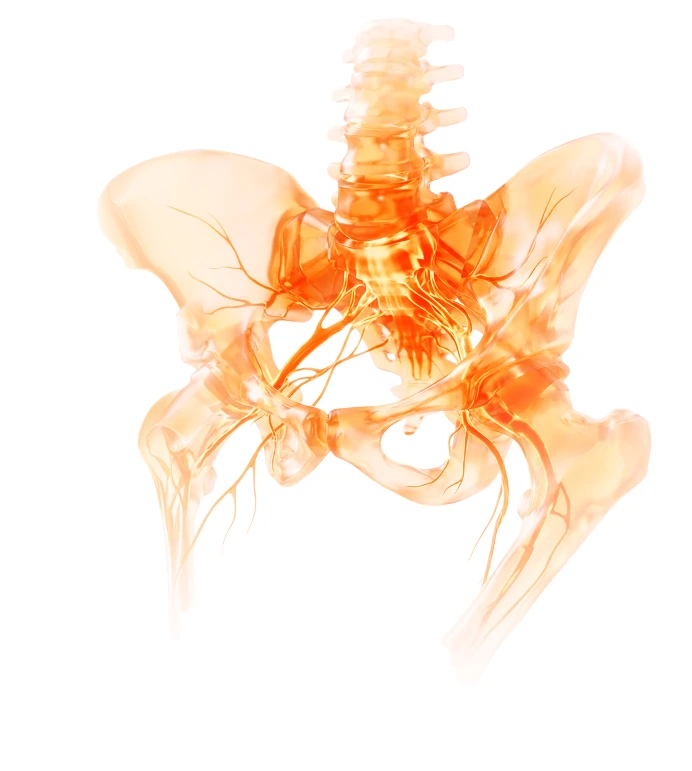
When nerves exit the spine and travel through the lumbosacral plexus, they become particularly vulnerable to various forms of damage, such as compression, inflammation, or entrapment. Unfortunately, current medical approaches often fall short when dealing with pathologies located deep within the buttock region, impacting the peripheral nerves of the lumbosacral trunk.